How Do You Prepare for a SIBO Breath Test? What Each Prep Step Is For
How to get ready for a SIBO breath test in the weeks and days beforehand, and what to do if a step slips.
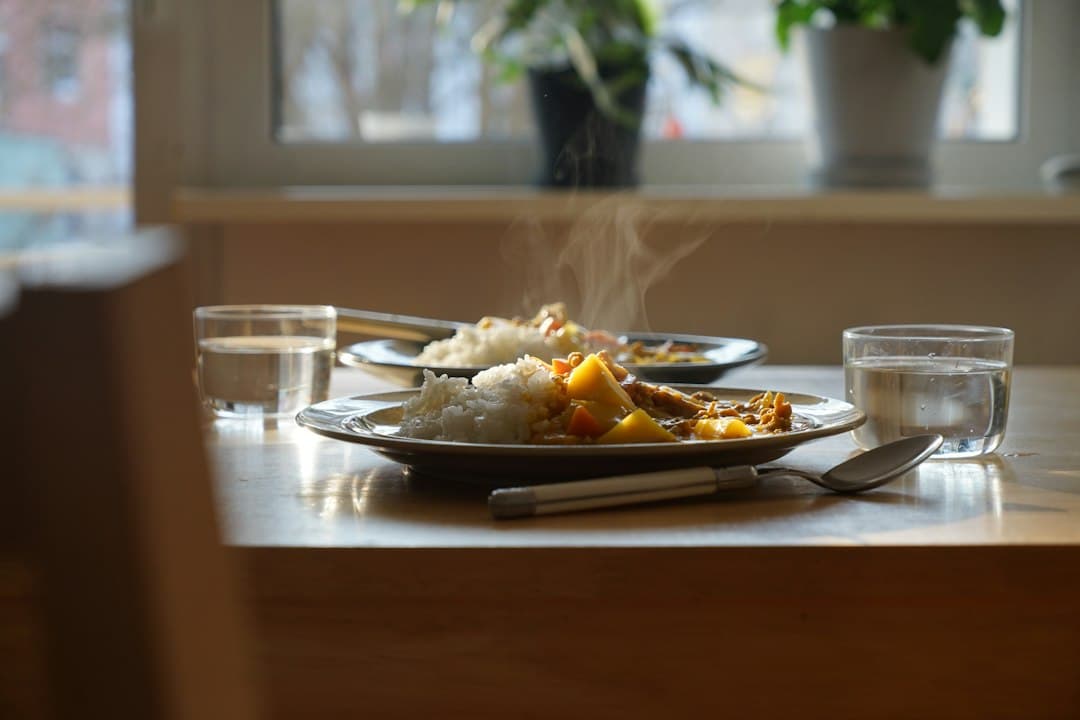
Photo: Franco Debartolo / Unsplash
Preparing for a SIBO (small intestinal bacterial overgrowth) breath test comes down to one goal: getting a clean, steady starting reading of the gases in your breath before you drink the test sugar, so that you and your clinician can tie any rise the lab measures to bacteria in the small intestine with more confidence. That usually means a wait after antibiotics, a day of low-fermentation eating, an overnight fast, and a smoke-free, unhurried test morning. Knowing why each step exists makes a slip easier to judge.
What is the breath test measuring?
SIBO means there are more bacteria in the small intestine than there should be. For the test, you drink a measured dose of a sugar, either glucose or lactulose, and then breathe into collection tubes at set times over the next two to three hours. I used to order a lot of lactulose breath tests, and I've moved almost entirely to the glucose version in my practice, because it seems like the better test.
In 2017, a North American panel led by Rezaie published a consensus on how labs and clinicians should prepare, run, and read breath tests. Those experts explained that hydrogen and methane in the gut are made only by microbes, which produce them when they ferment carbohydrates, and both gases pass into the blood and out through the lungs. That is why a breath sample can reflect what bacteria are doing in your intestines.
Alongside hydrogen and methane, some breath tests now measure a third gas, hydrogen sulfide. In a 2025 Cedars-Sinai study, Villanueva-Millan and colleagues found that higher breath hydrogen sulfide went with more hydrogen sulfide-producing bacteria in samples taken from the first part of the small intestine. When I order a SIBO breath test, I look for a lab that measures all three gases: hydrogen, methane, and hydrogen sulfide.
Why does preparation make such a difference?
The test compares a baseline breath sample with the samples taken after the sugar. The consensus authors wrote that a low fasting level of breath hydrogen is essential for reading the result, because fermentable carbohydrates eaten beforehand affect it directly. If your starting number is already high, a rise from bacteria in the small intestine can be much harder to see.
Rezaie's group found a baseline hydrogen above 20 parts per million hard to interpret: it could mean the person being tested didn't follow the prep diet or the fast, or it could be a variant of SIBO. They also noted considerable differences in preparation between testing centers, which is why your own lab's instruction sheet should come first wherever it differs from this post.
What about antibiotics, other medications, and probiotics?
For antibiotics, the consensus recommends a 4-week break before a breath test. Antibiotics clearly change the hydrogen and methane in exhaled breath, although there are no clear data behind the four-week window specifically, as the authors acknowledged. Timing may also depend on the purpose, since a clinician may order a test shortly after treatment to check that the overgrowth has cleared. If you take an antibiotic now, or take one long-term, keep taking it as prescribed and ask your prescriber and the clinician ordering the test how to time the two.
Promotility drugs (medications that speed up movement through the gut) and laxatives come next: the panel suggests stopping them at least a week before the test, if you can tolerate it. Faster movement can carry the test sugar into the colon early, where colon bacteria ferment it and can produce a false positive. If one of those medications is a prescription, it's a good idea to ask whoever prescribes it whether to pause it and for how long. The consensus suggests there's no need to stop a proton pump inhibitor, the acid-reducing medication, before testing.
On probiotics and prebiotics, the panel couldn't reach a firm position about stopping or continuing them, even though earlier studies showed that probiotics affect breath hydrogen, so this is a question for the clinician who ordered your test.
What can you eat the day before a SIBO breath test?
The day before the test, the consensus suggests avoiding fermentable foods such as complex carbohydrates. Dairy is on the list too, for the evening or day before, while meat and rice don't appear to affect the result. This one-day prep diet has a different purpose from the SIBO diets people use during treatment, since it is only meant to lower the baseline for the test.
After the prep diet comes the fast, and the panel's suggested window is 8 to 12 hours without food, which usually means an overnight fast and a morning test.
Smoking is out for the whole test day, because it can raise the hydrogen in exhaled breath. Keep physical activity light while you're giving the breath samples, since breathing hard (hyperventilating) can lower breath hydrogen.
Can you do a SIBO breath test after a colonoscopy?
Bowel prep for a colonoscopy can lower the gases colon bacteria produce for a while afterward, so a breath test done soon after can come back falsely low. In a 1978 study published in Gut, Gilat and colleagues found that hydrogen production on a lactulose breath test dropped sharply after colonoscopy preparation and after antibiotics. Their concern was carbohydrate-absorption testing, and they cautioned against running it for a considerable time after any treatment that changes the colon's bacteria.
In a small 1992 Norwegian study, Sivertsen and colleagues followed 15 methane producers through a colonoscopy cleanse. On the day of the colonoscopy, 40% of them, which is six of the 15, tested negative for breath methane. By the seventh day all 15 were methane producers again, but at a median of 60% of their pre-cleanse level. The 2017 North American consensus doesn't set a waiting period after a colonoscopy. A 2021 European guideline, written by 44 experts from 18 countries, recommends waiting at least two weeks after bowel prep, while noting that no data show exactly how long the effect lasts. Your ordering clinician should hear about any recent colonoscopy or bowel prep, so they can decide on the timing with you.
What if your prep didn't go to plan?
Slips happen: a forgotten probiotic, a slice of toast the night before, a cigarette on the way to the lab. If you notice before the test, call the lab or the clinician who ordered your test before you drink the test sugar. Rescheduling can be the better choice, because an uncertain result can lead to a treatment decision that doesn't fit you.
If you only realize afterward, tell your clinician so they can weigh it when they read the result. Breath testing has limits, which one critical review laid out, and the cutoff your lab uses can change how a result is read, but you can control how carefully you prepare. The SIBO hub collects the rest of the testing and treatment posts.
If you want to keep learning about SIBO and the gut, the Wayfinder's Well membership includes the full educational library and a members' Discord with a live teaching and Q&A session with me every month.
FAQ
How long should you fast before a SIBO breath test?
The 2017 North American consensus suggests 8 to 12 hours without food, which usually means an overnight fast and a morning test. Your lab's instruction sheet comes first if it gives a different window.
How long after antibiotics can you do a SIBO breath test?
The consensus recommends waiting 4 weeks after antibiotics, because antibiotics can change the hydrogen and methane in your breath. The timing may differ when a clinician orders a test shortly after treatment to check whether the overgrowth has cleared. If you're on an antibiotic now, the timing is something to work out with whoever prescribed it.
Do you need to stop a PPI before a SIBO breath test?
The consensus suggests it isn't necessary to stop a proton pump inhibitor (PPI), the acid-reducing medication, before breath testing. Any change to a prescription medication should still go through your prescriber.
Should you stop probiotics before a SIBO breath test?
The consensus panel couldn't reach a firm position on probiotics or prebiotics, even though earlier studies showed that probiotics affect breath hydrogen. The clinician who ordered your test can tell you what they prefer.
What does a high baseline hydrogen on a breath test mean?
The consensus authors said a baseline hydrogen above 20 parts per million is hard to interpret. It can be a sign that the person didn't follow the prep diet or fast, or it can be a variant of SIBO, and they called for more studies to tell the two apart.
Can you do a SIBO breath test right after a colonoscopy?
Bowel prep for a colonoscopy can lower the gases colon bacteria make for days afterward, which can make a breath test read falsely low. The 2017 North American consensus doesn't set a waiting period, while a 2021 European guideline recommends at least two weeks. The clinician ordering your test should know about any recent colonoscopy or bowel prep.
References
- 1.
- 2.
- 3.
- 4.
- 5.